February 2026
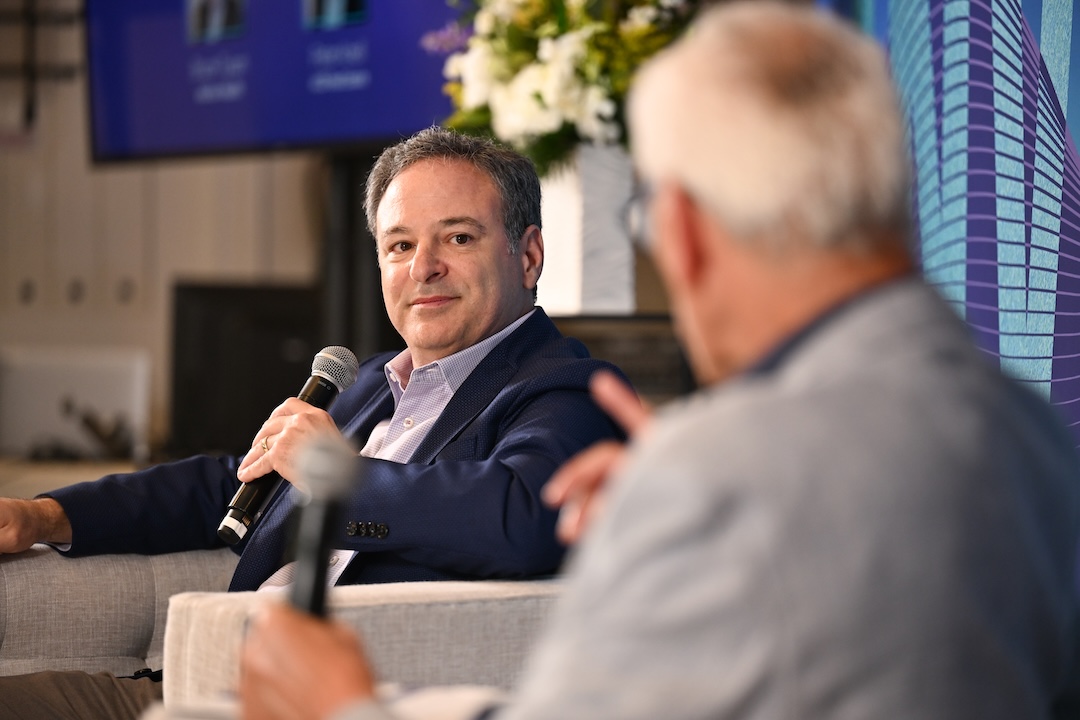
In this conversation, Wealth Advisor Bruce Tyson sits down with Peter Knell, Managing Director of KCB Properties, one of our longest-standing real estate partners. As a family office that invests alongside clients, KCB has the flexibility to move into undervalued sectors and step back when markets become overheated. Peter shares how they navigated major real estate cycles, why they leaned into healthcare assets post-COVID, how they’ve preserved capital through a 20%+ market drawdown, and why today’s environment may offer one of the most attractive buying windows in years.
Tune in if you’re interested in…
Watch previous episodes here:
Ep. 173 Asset-Based Lending: Collateral & Downside Protection with WhiteHawk
Ep. 172 From Farm to Portfolio: How Food Lending Delivers Cashflow with Proterra
I feel fortunate to be here with Peter Knell of KCB. KCB is perhaps our longest standing investment partner. And the thing I really appreciate about KCB, they're a family office, so they're investing along with all of you.
And when they feel like and the time is not quite right for putting more money real estate because maybe the market's too frothy, like right before, like a couple, three years before the financial crisis, they just backed away from making new investments because their money's at risk too. So it's a great feel. It's been a great partnership.
And Peter, a very accomplished, individual besides, you know, running the properties here, one of the co directors, he's a composer, a Fulbright scholar, just an all around Renaissance man. So I guess as a composer, you kind of have to like, process a lot of disparate information at once. Same kind of thing have to do with, you know, managing people's money.
So we talk about, I mentioned, mentioned briefly the alignment keeping this. You've got skin in the game. Maybe you can talk about the Cfpb history, you know, managing money along with, with Morton here and some of the projects that you guys had.
Yeah, absolutely. We really, had the pleasure of working with Morton, for, I guess years now. So it's been a great relationship that actually goes back, my, my father at law and Morton, the founder of Morton. Well, they're in, I think , he sold them his first life insurance policy. My lawn sold my father.
That. So, it's been a long, long relationship. A lot of a lot of trust and and, etc.. But, you know, we've we really would have happened in as we, the, our family had an opportunity to invest in some skilled nursing facilities. The portfolio was a little big for us to do on our own.
So we reached out to a few friends, including Lorne, and he he put in some clients here at Warren Capital and, you know, that we still own those properties that they've they've returned. I think it's % IRR over the last years. And, it's a x, capital return. So it's been a great, great, you know, relationship from the get go.
And, you know, we've been fortunate and, to have a great partner in Morton and fortunate to be able to deliver consistently strong returns. And, so it's been really mutually beneficial.
But one of the things great things about KCP is that they have long term patient capital. And because they're patient they can kind of go where there's low hanging fruit. Sometimes the market gives you something and sometimes you don't want to force being in a hot a hot sector. But just list the areas in which KCB has invested health care, industrial, multifamily, hospitality, office, retail and commercial.
So any of those places that seem like they're a cheaper part of the market? KCB well, we'll go after what what are what are some of those that you've done recently that seem like they're on the cheaper side?
Yeah, absolutely. So so our the way that we structured our investment platform is to be able to move where we see the best value at a given time. Because really the market, the real estate market is not one unified, market. It's, it's lots of little pieces that move and there's different drivers and different, cycles, underlying certain portions of it.
So what we really feel for a large part of the value we, we feel we can add is by figuring out at a given point in time, where we see the best risk adjusted return within the market. So over time, we, you know, like after the Great Recession, we were buying almost, almost entirely multifamily because it was just such a great things are priced down so much.
They were very attractive on a risk adjusted basis. And actually after Covid, it we're still sort of in this post Covid period where we've seen the most opportunity. Is it healthcare assets because, during Covid we we do with the health care we do is mainly senior congregate care. So think of skilled nursing facilities, nursing homes that are skilled nursing or memory care, assisted living.
And during Covid, a lot of people, you know, when it was first, the people forget out how to control it. It was making people sick. It's a vulnerable population. So, there were a number of deaths in nursing homes, but a lot of people also didn't want to go into nursing homes because a lot of them stopped visitors.
So, you know, no one wants to go into a nursing home and then not be able to see their families. And also we, as you know, being getting sick from from Covid. And then on top of that, a lot of nurses left the field. % of the nursing workforce left the industry. And so, and this particular skilled nursing has mandated, ratios.
And so everyone was fighting. It's like musical chairs, right? Everyone's fighting over not enough nurses to staff what's needed. And the cost of nursing went up dramatically. So. And also the cost of, personal equipment and the protective equipment, for nurses, for the, nursing home workers also went up. So there was a lot of additional costs became an industry that that, you know, had both, hit on the top line and increased costs on the bottom line.
Well, we see there is opportunity because we really look at long term. We we we feel very comfortable that we need to be able to take care of our older people as they need the health care, and that there's no more efficient way to do it than to do it in a congregate setting. So for us, when there's a negative sentiment and some headwinds in terms of operations, it's a great time to actually be buying because you're buying value.
And at the same time, you know, I kind of contrast the nursing homes to sort of multifamily and industrial, which after Covid, we're we're very in favor. We really like the drivers behind those. But they were super expensive. And so we were we were, you know, really able to buy quite a bit of, of, health care within TCB seven.
We're currently deploying GitHub eight right now, about . I think it's % of what we've acquired is health care. And but we've also been able to now buy some industrial and other and multifamily where the prices because those prices have dropped significantly over the last couple of years. So we're seeing a better overall, buying environment. But still, health care has been one of the more attractive areas for us.
So you seem to from what I've observed from your funds is you seem to get cash flow going pretty quickly to investors.
We've really developed our real estate strategy as a, as a family office. And what our needs are as a family is to have long term cash flow that and, and that's also happens to be tax efficient and has good, historically been a great inflation protector because the, rents and other things typically increase with or above inflation.
So it's got a really nice, sort of trifecta of benefits for a taxable family. And so, but really, it's, you know, we're really focused on then that long term, cash flow and growing cash flow appreciation is great. It's just but that's a to us a secondary characteristic to the strength of cash flow we can generate.
And so, you know, but depending on the market environment, there certainly market environments where it's harder to buy cash flow in place, and we need to buy properties that we can then go and execute a plan and maybe reposition the property, do renovations, things to generate the kind of cash flow that we that we like to enjoy.
The great thing about the market environment right now for the KCB eight deployment. And also we're we're about to to launch Casey B nine as we finish up, deploying KCB eight and the the the environment right now prices have come down and we've been able to buy properties with very strong cash flow in place. And so we're able to buy and then try to grow from a really strong cash flow base.
And we're really excited about the opportunity right now. The capital we're deploying right now is another period, kind of like after the Great Recession where we're able to really buy properties at great prices and generate strong returns, particularly relative to risk.
So Mortin's been investing with KCB, as I mentioned, since and since that time or over the course of that time, bad things have happened in the real estate market as a whole. We've seen %, % drops in some sectors of the real estate market, but your your funds haven't really been impacted quite as much. What have you done in the, in the management of the and the acquisition of of the properties that have helped preserve capital?
Yeah, that's in the last so I guess the market last peaked in late December of , was sort of market peak. And then, it's been on a downward trajectory since then. It it's been two years of fall from end of to the end of , and that was about a little over , but I think it was .% drawdown in the real estate market.
And then it sort of flatlined at the bottom, still % now below its peak. And that's because, I mean, there was one big driver of that was that interest rates in went up from, you know, near zero. And they and they, you know, now short you know, long term the, the short term rates are up in the mid fours and or to high for us.
And the longer term rates are in the low for. So that's been a big change. That's had a big impact on the real estate market. We're looking at that and say, well, what, you know, how how did we do that? And, you know, I think a big part of that, is really mix of assets because, you know, couple the property types that fell the most dramatically office, did we?
And we have very little office. What we do have has been relatively robust. And then the other big, property type that fell the most dramatically was multifamily. And we have had a lot of multifamily. But in , , when the market was really frothy, we actually sold most of our multifamily, just because of those prices.
We couldn't justify holding it. You know, we couldn't see how one made a return, based on it from that value forward. So we sold those properties. And so then when the market fell or we didn't have those assets that were declining in value, were out of our portfolio or underweight in our portfolio. And so that's been a big driver of, of our over performance, versus the market.
And I think the other piece is that we also had health care assets that were hit during Covid, and also hospitality that have been recovering from those, those downswings. And so that those have also been driving. And we've had growing operating income and growing valuation through this very kind of challenging market environment for real estate.
So for new investments, how difficult or easy are you finding the financing?
Yeah. So the, in terms of financing, I mean, one of the reasons why the real estate market has been, challenging or dropping in price is the cost of financing, and even the availability of financing has really, been been much harder to come by. We view that as an opportunity because it means that we can buy much more cheaply.
And we just I mean, there's still enough financing that for good, you know, for good opportunities. There is financing. The rates, you know, are higher than they were, but that's already baked into our to our projections. And so, you know, we actually like that because it means if rates go down we have upside that we're not underwriting.
And if rates stay where they are then then we're getting the returns that we expect. So it's just it's definitely, you know, it's been more of a challenging market for some of the particularly hospitality assets that have loans that have come up in the last couple of years where particularly when they're smaller, a lot of lenders just don't want to, you know, to, to spin up your whole machine for a small loan, you know, takes more doing so we've actually been paying off loans in many cases where, you know, using cash that we've generated to be able to pay off and own these properties without debt, which which we like, particularly for,
for the, hospitality assets and with the cost of debt right now, you're paying anyway, you know, , % interest rates for, for hospitality debt. You may as well, own it and get that cash flow for yourself rather than paying it to somebody else.
So a couple of questions at your properties are spread all across the country. Although I know you don't go in certain states. Can you talk about how you have partners that are that are sourcing those those places and also some of the things you do to, sort of mitigate against risk and also the, the valuation gap.
You talk about how you're in a sort of sweet spot valuation valuation wise.
Yeah. So, the, the if you think so, one of the main ways that we acquire new properties is we work with operators around the country. So these are people who have a lot of local knowledge and expertise and property type expertise that we're able to leverage their knowledge. They typically don't have enough capital. So what they're looking for someone to come in with most of the capital?
But very importantly, I think Bruce started out by talking about how, you know, we we're we're really aligned that that when, you know, in every KCB fund that we do my family is is the has been the largest investor and you know we really then think as an owner, not as a manager. And what we really want is when we work with the operator, we want the same thing.
And in fact that's core to our investment philosophy, is that our partners that we're that we're working with are aligned with us and not, you know, and aligned with us, not just on the upside but on the downside as well. So they're putting their own capital into the into these transactions, because we believe that speaks louder than, than words.
They can tell us what a great deal it is. But when they're putting their own money in, in a meaningful amount, then that really means they believe in it doesn't mean they're always right, but it but it means at least they believe in it. And so that's, that's important to us to have that alignment with our partners.
But we leverage their expertise. And then we also, I mean, we obviously have developed over time a lot of expertise that we could bring and help them professionalize. So it's really a, you know, a two way street there in that they're they're bringing some level of, you know, the level of local knowledge and some level of ability to execute.
We're looking for people who've been successful and generated enough capital that they can invest with us, as well. But we are but we are also helping them professionalize. And in certain ways, we're bringing insurance relationships, lender relationships and just, you know, making sure that they stay on task and help solve problems with them when they when they need it.
So that that's, that's that's important. I think you asked a couple other pieces to the question, the,
Investment gap. So you don't buy it like a little mom and pop. Properties, but you don't buy the big institutional ones. There's, like, a gap where there's better pricing.
Yeah, that's that's great. So, yeah, we we we, we play in a part of the market. Some people call the lower middle market. We can't. We call it the funding gap, which is is basically, you know, most institutional real estate funds started sort of million plus. And they're looking to put out at least million of capital, million of capital and individual deals there.
There's there's actually been throughout my career and, and, and previous to that, this sort of piece of the market where it's to the transactions are too small for those large funds, institutional funds and too big for sort of mom and pop, you know, investors. And so there's this just area where there's a lot less efficiency, a lot less capital, and there's a lot of properties within that part of the market.
And so what are the things that we we do is we raise capital, we raise funds of the size that allows us to access that piece of the market, where we've been historically able to really find better returns relative to risk.
I think I'm quoting you when you've said before that the money is the real money is made on the purchase as opposed to like.
Yeah, I mean, that's right. But with, with probably any asset if you acquire it badly, it's hard to make money if you overpay for something, if you, if you buy it. Right. That's, that's the biggest piece of the equation. You then do have to execute the plan. And so, you know, we have a whole team dedicated to making sure that that, you know, that our partners, actually our partners are primarily in charge of execution.
But and I know there's other groups that do similar strategy, and they just sort of hand off the capital and the let the partners go. But we actually have a whole, you know, about almost a third of our team focused on making sure the partners are successful. So because our goal is, you know, it's our capital, it's our return that we're trying to generate.
If our partners are doing everything they need to do, then then that's great. But usually there's value we can add by, staying on top of them and by, helping them when they don't know what to do. So, I'll keep them on track if they're going off the rails a little bit. So, that, you know, we spend a lot of energy, you know, making sure that while most of that is created in the by, you know, you got to create, especially in a longer term hold, you really have to think about how do we continue to the to help get the assets to achieve the business plan and then maintain how do
we what's the next business plan that needs to be implemented? That wasn't part of the original acquisition, but when you own something long term, you know you need to be keep thinking what's changing in the market? What's the what's the competition, and how do we continue to optimize this asset and generate the best returns we can?
I'll ask one more question, then I'll open up to questions from the audience. But you have a pretty sophisticated risk mitigation process. But like, you don't want to be in certain places where there's maybe hurricanes or I think up north you've got some other things, but what what are some of those things you're trying to avoid?
Yeah, absolutely. So there's a few things. I mean, we we've implemented through time and some of this is learning as we've gone and that some of the deficits that our partners have. One of those is risk management. So people doing real estate usually are very you know, our operators are optimists and we're the ones saying, okay, what could go wrong?
And how do we, protect against that. So we've, we've created our own insurance, pool that we then control the, the what the insurance is and make sure that it's really comprehensive and what we need, for, you know, to protect our, the downside risk. And so we, we've done and we've implemented, you know, proactive measures of the properties to try to then reduce the frequency of claims and things like that.
But then we also have have really looked at the world and said, you know, one of the biggest things happening right now in the world is climate change. And property is very, exposed to climate change. And we've had a couple properties three times that got hit by hurricanes. Or, you know, the worse is when you got a flood, which was happened to two of our properties.
And, insurance pays for the immediate damage, but then you pay it back for that with interest on your insurance rates going forward. Plus, they don't cover, you know, it's always a little bit like, well, we had one property that flooded about to ft of water through the property, and the turns paid for all we, you know, fixing all the first floor units.
But the second floor units that were were sitting vacant for, you know, two years. And so we went through all those and, and changed out, the air conditioning and, you know, and changed out the plumbing stops because last thing we wanted was to have dried out plumbing stops and then flood the apartments. We just renovated. So insurance didn't pay for those proactive things that we did to make sure that that, you know, the the improvements they made were, were, were retained.
And so we've gotten very, careful about where are we investing and how are we mitigating risk as the climate changes? What are the major climate risks? What parts of the country have less risk? And if we're investing in the area with more risk, are we getting enough return to justify taking that risk? And so that's kind of our part of our you know, we we've moved from being very bottom, you know, looking at sort of bottoms up.
Where do we find good individual deals to also taking top down and saying, where, where do we want to be deploying capital in this world of ours that's shifting and changing and you know, where are the wildfire risks? Where, you know, where are there, drought risks or hurricane or hail storms? And, I mean, there's so many things that affect the real estate directly or indirectly insurance rates or indirectly population and, and, and job security.
Right. Anybody have a question?
Number one is I've talked to people that have invested in nursing homes and so on. And partly in today's environment. They're very concerned about regulatory changes and things like that.
So great question about, nursing homes and regulatory risk. And so I will, I will separate because within our nursing homes, we usually are including a few different things. And so there's the, skilled nursing facilities, which are mostly almost all government, reimbursement, Medicare, Medicaid. And so you're really worried primarily about changes to the two rates.
Do they do they cut rates? Do they, you know, or do they continue to increase rates commensurate with increasing costs through time? And then we also have memory care and assisted living, which are typically private pay. And so then it's a question of, you know, whether there's regulations that force you to increase staffing or cost or, or whether the people can afford to actually put their, their, their parents into these facilities, or that or these parents could pay for themselves to be in the facility.
So there's different ways which we kind of like, because it does also create some, some diversification of risks. You know, we certainly are we our first investment in nursing homes back in , in California, we looked at and said, you know, my first response was, no, we we this doesn't make sense to do, you know, every year in California proposes about a % cut to the reimbursement rate.
And, and then and so we we looked at it and, and every year they did propose a % cut, or they were at the time, and then they would end up after all the lobbyists got to work. And it was, you know, or % increase every year. I think it fundamentally there's a, there's a sort of, societal political, assumption that or or or thesis that we have, you know, we have an older population that is growing. Those people need health care. And the most, the most efficient way to provide the level of care.
One of our, one of our partners said, I love this you who operates these things. He said, you know, most people need about minutes of care a day, but they needed it. They don't need the one time they needed, you know, spread throughout the day and at unpredictable times. And so taking care of that in a home care type of environment is very difficult because you don't want you you don't have someone available when someone needs the care throughout the day.
But you also, it means that in a congregate situation you could have, you know, somewhat, you know, a proportion of staffing, taking care of a larger number of people because not everyone hopefully needs their care all at the same time. And so I don't I have not yet seen a model that's as efficient as, and I don't see how we could do it without the congregate care.
And so the, the, the thought is, well, we need this. It's the best way to provide it. Someone's going to have to pay for that, whether it's paid for in taxes or whether it's paid for in private pay. As a society, we need this care because we're not just going to have our older people on the streets or have them in people's houses where they need to.
Now. Now the children need to provide that care. seven and that's, I don't think, something that most people want to sign up for. You know, especially if you have to working, you know, if they're, if the two working, people.