August 2026
Featuring
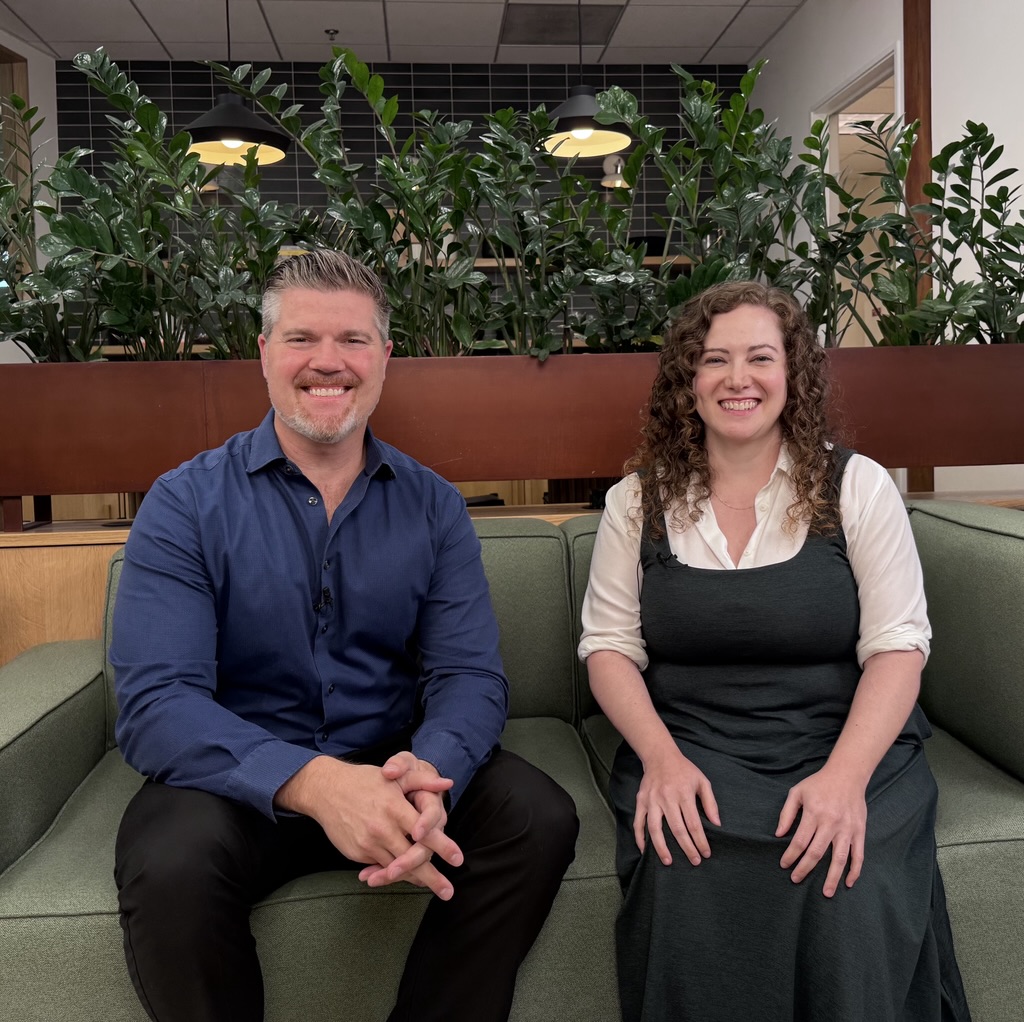
Beau Wirick, Director of Financial Planning
Brittany Yudkowsky, Financial Planning Advisor and Education Manager
Social media is full of people telling you financial advisors can’t be trusted. Some of those takes are worth hearing. Others are blanket advice dressed up as insight. In this episode of Couchside Conversations, Director of Financial Planning Beau Wirick and Financial Planning Advisor Brittany Yudkowsky do something rare: they give the DIY case its honest due, share the real reasons some people genuinely don’t need an advisor, and then explain exactly where that approach tends to break down. Including the moment Beau nearly sold everything during Covid. The conversation covers what good DIY actually looks like, the financial blind spots that cost people the most, and what a flat-fee service like Modearn is designed to do for people who are still building toward advisor-ready wealth.
The single most important trait for a successful DIY investor is emotional detachment.
If you can look at a collapsing market and not feel the urge to act, you have the foundational quality that makes self-directed investing viable. If you can’t, you probably need someone in your corner. Beau illustrates this with a personal story: he called his advisor at the bottom of the Covid crash and demanded to sell everything. His advisor gave him the right advice. He ignored it anyway. The emotions were simply too strong.
You don’t know what you don’t know, and that gap is where the real cost lives.
Brittany didn’t realize the full scope of financial planning until she started training for the CFP credential. Before that, she thought a Roth IRA was basically the whole picture. The blind spots she didn’t know she had, insurance coordination, tax bracket nuance, estate planning, are the same ones that quietly cost DIY investors the most. The problem with blind spots is that you can’t see them yourself.
A good financial advisor is a quarterback, not a salesperson.
Brittany’s honest assessment: nine out of ten financial advisors people encounter are primarily salespeople. The one in ten who functions as a true quarterback, coordinating between your CPA, insurance broker, estate attorney, and your actual life, is worth finding. The distinction matters because a salesperson sells you a product. A quarterback catches the thing you missed.
Insurance is where DIY plans most commonly fail in ways that are hard to recover from.
The LA fires made this concrete. Homeowners who were underinsured found out at the worst possible moment. If a claim falls short, the gap has to come from somewhere, often a taxable investment account with penalties attached. Umbrella insurance, which can provide millions in liability coverage at a relatively low premium, is another area most people don’t know to ask about until it’s relevant.
Starting early is worth more than starting right.
A one-degree course correction at 30 looks small. Over 40 years, it lands you in a completely different place. Brittany’s point about the LA-to-New York analogy captures something that compound math makes almost impossible to intuit: the earlier the adjustment, the more dramatically it compounds. Getting a financial plan in place at 30 is not about having complex finances. It’s about pointing yourself in the right direction before the distance gets locked in.
“As financial planners, oftentimes we’re making very, very small observations on things that the client can’t see that’s going to protect them from really costly mistakes.” — Brittany Yudkowsky
0:00 Cold open: DIY vs. advisor, the emotional investor, and why you don't know what you don't know
1:10 Introduction: social media says don't trust financial advisors — some of it is worth hearing
2:04 Who is actually a good candidate for DIY? Starting with the investment side
2:32 The key trait: emotional detachment from your accounts
3:49 Beau's Covid story: the advisor gave the right advice, and he sold everything anyway
5:10 The financial planning side: why being your own quarterback is harder than it looks
6:07 You don't know what you don't know: Brittany's career change and the CFP revelation
7:11 Insurance as a case study: the LA fires and what underinsurance actually costs
8:46 The CPA problem: why financial literacy isn't the same as holistic financial planning
9:35 The time cost: why busy people hire advisors for the same reason they hire gardeners
10:00 The Roth conversion example: one bracket misunderstanding, one expensive mistake narrowly avoided
11:03 The personal fitness metaphor: accountability, blind spots, and not squatting wrong at 40
12:34 How Roth strategy decisions can be worth hundreds of thousands in after-tax dollars
13:39 Umbrella insurance: millions of coverage for very little premium, and almost no one knows about it
14:48 Introducing Modearn: the flat-fee model designed for people still building toward traditional AUM thresholds
15:08 Why nine out of ten advisors are salespeople and what the one in ten actually does
17:26 The one-degree analogy: small changes at 30 compound into enormous differences by 70
18:26 Closing takeaway: find the thing that made you uncomfortable and lean into it
20:14 This or That: $500/month on a financial planner or something that makes you happy; know everything yourself or trust someone else; hire a planner at 30 or wait
Should I manage my own finances or hire a financial planner?
The honest answer is that it depends on two things: your emotional relationship with money and how much you don’t know that you don’t know. On the investment side, successful DIY investors tend to be emotionally detached from their accounts. They don’t check them daily. They understand market history. They can watch a downturn without feeling the urge to act. If that description fits you, self-directed investing is a viable strategy, especially during the wealth-building years. Where it gets harder is on the financial planning side: insurance coordination, tax optimization, estate planning, and the hundreds of decisions that connect those domains. Most people have significant blind spots in at least one of those areas, and they don’t know it until something goes wrong.
What does a good DIY financial plan actually look like?
According to Beau, a genuinely good DIY investor is someone who is emotionally detached from their portfolio, understands the historical record of market returns, invests in low-cost index funds, and never acts on panic. They’re also a meticulous researcher who is willing to go deep on insurance, tax law, and estate planning, not just investments. That last part is where most DIY plans fall short. Buying index funds and contributing to a Roth IRA is a reasonable start. It is not a financial plan.
What are the biggest financial mistakes DIY investors make?
The most common and most costly mistakes tend to cluster in a few areas. Emotional investing, selling at market bottoms or buying at peaks, driven by fear or excitement rather than strategy. Insurance gaps, being underinsured on homeowners, auto, or liability coverage and finding out at claim time. Tax inefficiency, not knowing the difference between ordinary income and capital gains brackets, or missing Roth conversion windows that could mean hundreds of thousands of dollars in after-tax savings. And coordination failures, having a CPA, an insurance agent, and an investment account that never talk to each other. A financial advisor’s job is to catch all of those.
How do I know if I’m emotionally attached to my investments?
Beau offers the clearest possible test case from his own life. During the Covid market crash in 2020, he called his financial advisor and demanded to sell everything. His advisor explained, clearly and correctly, that this was the wrong move. Beau sold anyway. If the idea of watching your portfolio drop 30% makes you want to do something, you are emotionally attached. That is not a character flaw. It is a very human response to financial stress. It is also exactly why having someone whose job is to hold you to the strategy matters.
What is a flat-fee financial advisor, and is Modearn right for me?
Traditional wealth management is typically structured around assets under management, where the advisor charges a percentage of the portfolio they oversee. That model works well once someone has accumulated significant investable assets, often $1.5 to $2 million or more. Modearn is designed for people who haven’t reached that threshold yet, or whose wealth is concentrated in a 401(k), a business, or a home rather than a liquid portfolio. The flat-fee structure means the advisor’s compensation isn’t tied to what you own. It’s tied to the advice they give. Beau and Brittany describe it as bringing the same quality of financial planning to earlier-stage clients that wealthier clients get through traditional advisory relationships.
Why do so many people distrust financial advisors?
Brittany is direct about this: most financial advisors people encounter are primarily salespeople. They’re skilled at getting in front of people and building relationships, which is not the same skill as building a financial plan. When the majority of advisor experiences feel transactional or product-driven, it makes sense to lump all advisors into that category. The advisor worth finding is the one who functions as a quarterback: someone who coordinates across your tax, insurance, estate, and investment life and catches the thing you didn’t know to look for. That kind of advisor exists. They’re just not the ones who show up most often.
Is it worth hiring a financial planner if I’m only in my 30s?
Brittany’s answer is unambiguous: yes, and the earlier the better. She uses the analogy of a one-degree course correction on a flight from LA to New York. At departure it looks trivial. By the time you land, you’re in Philadelphia. Small adjustments to savings rate, tax strategy, insurance coverage, and investment structure made at 30 compound over 40 years into results that are genuinely difficult to achieve if you wait. The value of a financial advisor at 30 is not that your finances are complicated. It’s that you still have time to change the direction you’re heading.
This episode is for the person who has been handling their own money, probably pretty well, and has recently started to wonder if there’s a version of this where they’re doing better. Maybe a conversation about Roth conversions went over their head. Maybe they heard about the LA fires and quietly wondered whether their homeowners policy was adequate. Maybe they’ve been meaning to look into umbrella insurance for two years and haven’t.
This episode is especially relevant for:
At Morton Wealth, Modearn exists specifically for this stage. It’s a flat-fee financial planning service built for people who are building wealth, not just managing it. If any part of this conversation made you slightly uncomfortable, that’s probably the part worth paying attention to.
Watch previous episodes:
Stay and Renovate or Sell and Move? How to Decide
ChatGPT Said So — But Does It Apply To You?
DISCLOSURES
Information presented herein is for discussion and illustrative purposes only and is not intended to constitute financial advice. The views and opinions expressed by the speakers are as of the date of the recording and are subject to change. These views are not intended as a recommendation to buy or sell any securities, and should not be relied on as financial, tax, or legal advice. You should consult with your finance professional, accountant, or tax professional before implementing any transactions or strategies concerning your finances.