June 2026
Featuring
Chris Galeski, Wealth Advisor and Partner, Morton Wealth
Jeff Sarti, Chief Executive Officer and Partner, Morton Wealth
SpaceX is going public, and everyone is talking about it. Neighbors, friends, group chats... the excitement is real. But most of the conversation is missing the most important question: what are you actually paying for?
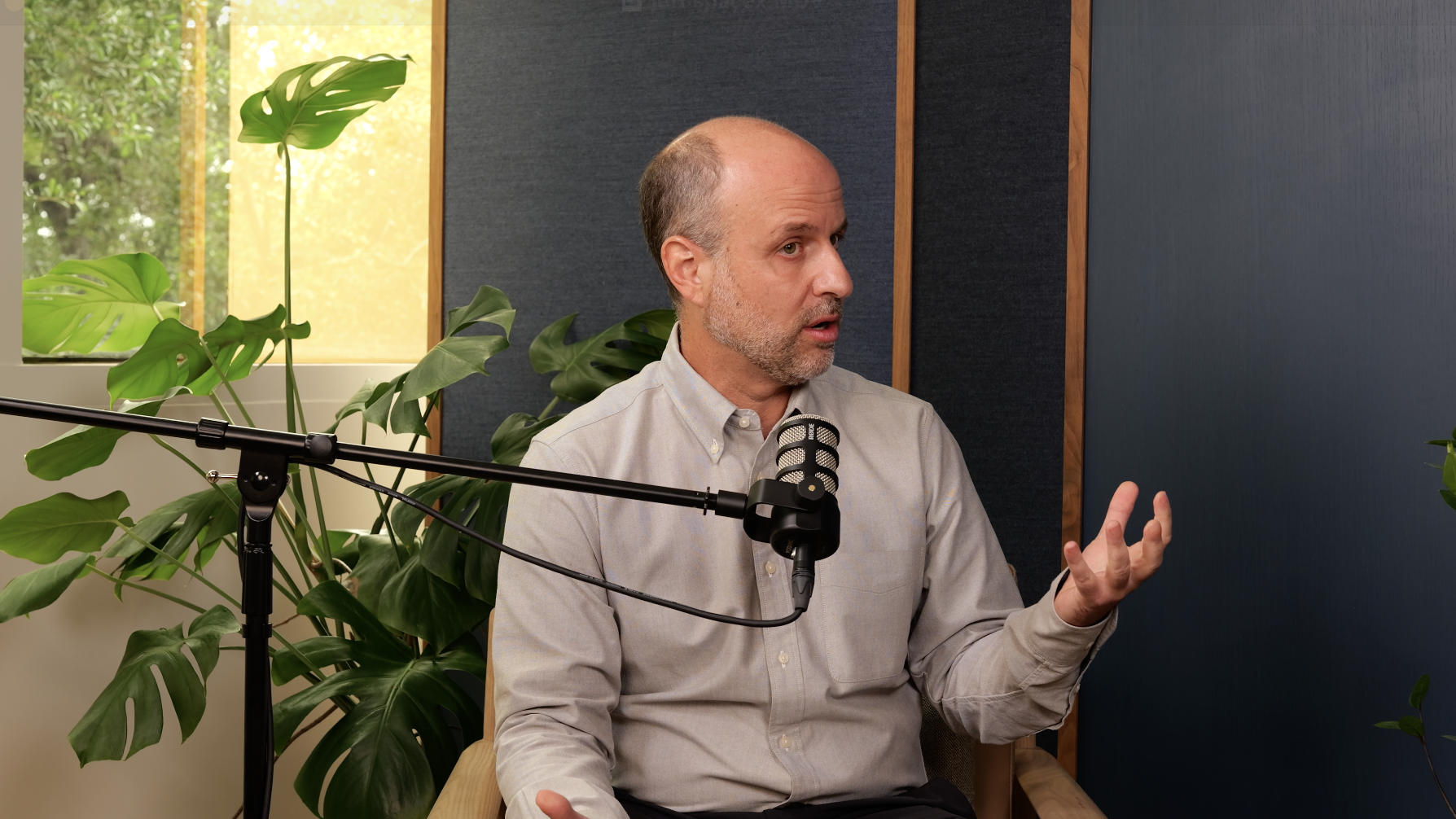
In this episode of Financial Commute, host Chris Galeski sits down with CEO and Partner Jeff Sarti to break down the SpaceX IPO from a valuation standpoint. Recorded on June 8th, this is the conversation the headlines are not having. Chris and Jeff walk through what price to sales ratio means, why a $10 stock is not cheap and a $1,000 stock is not expensive, and what history tells us about companies trading at extreme valuations. The story is incredible. The price is another matter entirely.
0:00 Opening hook: valuation, dot-com comparisons, and buyer beware
1:04 Introduction: why everyone is talking about the Space IPO
1:52 Why stock price alone does not determine value
2:46 The valuation jump: from hundreds of billions to nearly $2 trillion
3:59 How to value a high-growth company without earnings
4:25 Why 100 times sales is an extreme valuation
5:25 Lessons from Cisco and the dot-com bubble
6:35 Sun Microsystems and the danger of paying too much
8:05 Comparing SpaceX to Nvidia and Tesla
9:25 Facebook IPO volatility and the long-term investor experience
10:25 What Space actually does: rockets, Starlink, satellites, and AI
11:26 Great company versus great stock
12:21 Rivian example: growth does not always equal stock returns
Watch Previous Episodes
Is SpaceX a good investment at its IPO price? The business is exceptional and the long-term growth opportunity is real. But at roughly 100 times price to sales, the valuation is extreme by any historical standard. The question is not whether SpaceX will grow — it almost certainly will. The question is whether that growth is already priced in. Chris and Jeff's view is that more of it is priced in than not.
How do you value a company like SpaceX that has no earnings? When a company has no earnings — because it is reinvesting everything into growth and R&D — you cannot use a price to earnings ratio. Instead you use price to sales. SpaceX at roughly $2 trillion in market cap is trading at approximately 100 times its annual revenue. The S&P 500 as a whole currently trades at 3.5 times price to sales, which is itself an all-time high. SpaceX is nearly 30 times that.
What is a price to sales ratio and why does it matter? Price to sales ratio is the total market value of a company divided by its annual revenue. It tells you how much the market is paying for every dollar of sales the company generates. A lower number generally means you are paying less for each dollar of revenue. At 100 times price to sales, investors are paying an extraordinary premium for SpaceX's future growth potential — a premium that leaves very little room for error.
What happened to other companies that went public at extreme valuations? The historical record is consistent and sobering. Cisco was the largest company in the world at the peak of the dot-com boom, trading at 38 times price to sales. It collapsed 90% and took 27 years to recover. Sun Microsystems traded at 10 times price to sales — its own CEO called the valuation moronic in hindsight. Rivian grew revenue 100 times over and is still down 90% from its IPO. SpaceX is trading at 100 times price to sales — more than double Cisco at its peak.
Does a low stock price mean SpaceX is affordable? No. Stock price is meaningless on its own. A $10 stock can be wildly overvalued and a $1,000 stock can be a bargain depending on the underlying fundamentals. What matters is the total market value of the company relative to its earnings or revenue. SpaceX's share price tells you nothing about whether it is cheap or expensive.
What does SpaceX actually do as a business? SpaceX operates across several business lines. Rocket production and launches are the most visible segment but actually operate at a loss. The primary revenue driver is Starlink, which provides satellite-based internet service globally and represents the most potentially profitable part of the business. SpaceX also has ancillary ventures tied to AI and other technologies.
How volatile could the SpaceX IPO be even if it succeeds long term? Very. Facebook is the clearest recent example — it fell 50% within six months of its IPO before becoming one of the most valuable companies in the world. Even in a scenario where SpaceX becomes a generational success, buyers at the IPO price should expect significant short-term volatility. The long-term outcome and the short-term experience are two very different things.
The SpaceX IPO is generating the kind of excitement that tends to make investors forget what they are actually doing: buying a share of a business at a specific price. The narrative is compelling. The valuation is not.
This episode is especially relevant for:
At Morton Wealth, the question we always ask is not whether a company is great. It is whether it is great at the price you are being asked to pay. Those are very different questions, and right now almost no one is asking the second one.
Disclosures: Information presented herein is for discussion and illustrative purposes only and is not intended to constitute financial advice. The views and opinions expressed by the speakers are as of the date of the recording and are subject to change. These views are not intended as a recommendation to buy or sell any securities, and should not be relied on as financial, tax, or legal advice. You should consult with your finance professional, accountant, or tax professional before implementing any transactions or strategies concerning your finances.